How to Spot Soft Drywall Around Your Tub or Toilet
Bathroom mold problems often start where you cannot see them. The visible black spots on grout or caulk are usually the last sign of a much bigger issue. By the time mold appears on the surface, moisture has already been working behind the walls for weeks or months. The real trouble begins inside the drywall, where water from a leaking tub or toilet softens the paper-faced gypsum board and turns it into a perfect home for mold.
Catching soft drywall early is the difference between a small repair and a full bathroom renovation. You do not need special tools or training. You just need to know what to look for and where to check. This article walks through the process step by step, with practical things to watch for at each stage. If you suspect hidden moisture damage, Mold Removal Boston Pros can help assess the situation and plan the right remediation. Mold Removal Boston Pros
Why Soft Drywall Matters for Mold Prevention
Drywall is basically gypsum plaster sandwiched between two layers of heavy paper. The paper is what mold eats. When drywall stays dry, mold spores that land on it cannot grow. But once moisture soaks through the paint or the edges, the paper layers absorb water like a sponge. The gypsum core also softens when wet and loses its structural strength.
For tile mold remediation to work, you have to address the source of moisture, not just clean the surface. If the drywall behind the tile or around the tub is already soft and damp, any surface treatment is temporary. The mold will keep coming back because its food source and water supply are still there. That is why professionals check for soft spots before they decide on a treatment plan.
Where to Start: The Visual and Touch Check
Begin by looking at the areas most likely to get wet. Around a tub, focus on the corners where the tub meets the wall and the area around the faucet and showerhead. Around a toilet, check the base where it meets the floor and the wall behind the tank. Also look at the floor right in front of the toilet, where leaks often run before you notice them.
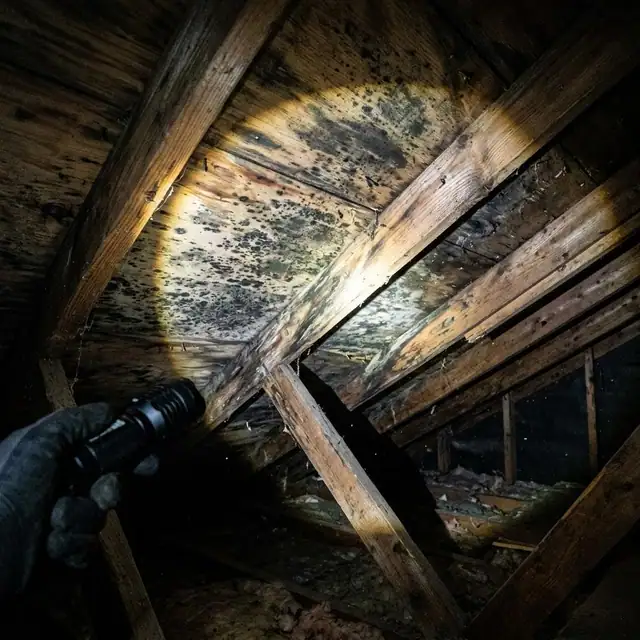
You are looking for several things at once:
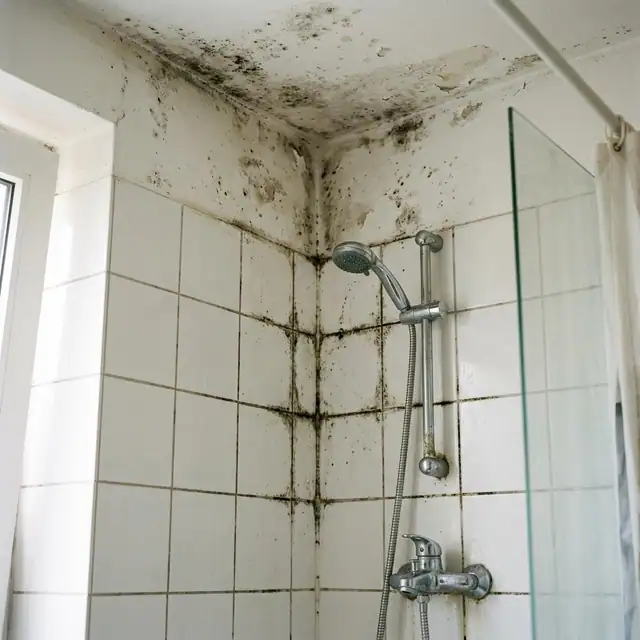
- Discoloration or staining on the wall surface, especially yellow or brown rings that suggest past water exposure
- Paint or wallpaper that is bubbling, peeling, or cracking
- Caulk that is pulling away from the tub or toilet base, leaving gaps
- Grout that is missing, cracked, or crumbly around tile edges
- A musty smell that seems to come from the wall rather than the air
But the most telling sign is how the wall feels. Press gently on the wall surface with your palm or fingertips. If it gives even slightly, or if you feel a spongy bounce-back, the drywall behind it is probably soft. Do the same test along the baseboard near the toilet and around the tub rim. Pay special attention to areas that are often hidden by a shower curtain or a bath mat.
Using a Simple Tool to Confirm Soft Spots
A visual and touch check can miss early-stage damage. For a more reliable test, use a small hard object like the end of a screwdriver or a butter knife. Gently tap the wall in the suspect area. A solid, sharp sound means the drywall is still firm. A dull, thudding sound means the gypsum core has softened. You can also lightly press the tip into the wall at a seam or corner. If it sinks in easily, the paper and gypsum are compromised.
Do not jab or dig into the wall. The goal is to probe, not to damage. If the drywall is soft, you will feel it right away. If it resists, the material is still sound. This test works especially well along the bottom edge of the wall, where water from a leaking toilet wax ring or a tub drain tends to collect.
What to Check Around a Tub
A tub sees water every day. Over time, small failures in the seal between the tub and the wall let water run down behind the tile or the surround. The drywall below the tub deck is the first to get wet. Here are the specific spots to inspect:
- The caulk line where the tub meets the wall. If it is cracked, peeling, or missing in sections, water can slip behind it.
- The corners of the tub surround, especially where two walls meet. These joints are weak points in any tub enclosure.
- The wall below the faucet and handles. Leaks from the valve bodies inside the wall can wet the drywall from behind.
- The floor next to the tub, especially if there is a gap between the tub apron and the flooring. Water that pools there can wick up into the wall base.
If you find soft drywall in any of these areas, stop using the tub until the issue is fixed. Running water will only push more moisture into the damaged wall. Professional tile mold remediation often involves cutting out the soft drywall, treating any mold that has grown, and rebuilding the area with moisture-resistant materials.
What to Check Around a Toilet
Toilets cause hidden water damage in two common ways. The first is a slow leak from the wax ring or the supply line. This leak may only happen when the toilet is flushed, so it can be intermittent and hard to catch. The second is a loose or failing seal at the base, where the toilet meets the flange. Water from a dirty floor or a leaking tank can seep under the toilet and into the subfloor without ever being visible.
Check the wall behind the toilet tank. Press along the baseboard and a few inches up the wall. If the paint is bubbling or the wall feels damp, the wax ring or the supply line may be leaking. Also check the floor directly in front of the toilet. Soft spots in the floor or a spongy feel under the linoleum or tile suggest the subfloor has been wet for a while. That moisture can travel up the wall base and into the drywall.
If you notice a rocking toilet or a gap between the base and the floor, the flange seal may be broken. That is a separate plumbing issue, but it often goes hand in hand with soft drywall. Fixing the leak first makes the mold remediation more effective.
What Soft Drywall Means for Mold Remediation
Soft drywall is not just a structural problem. It is a sign that mold is already growing or is about to grow. The paper on the back side of the drywall is the perfect food source, and the moisture trapped inside the wall keeps the environment damp enough for mold to thrive. Even if you cannot see mold on the surface, it may be spreading inside the cavity.
For tile mold remediation to succeed, the damaged drywall must be removed. Surface cleaning will not reach the mold colonies living in the paper layers. A professional approach involves opening the wall, removing the soft material, treating the studs and insulation if needed, and replacing the drywall with a moisture-resistant type like purple board or green board. In some cases, cement board is a better choice for areas that stay wet.
That is where Mold Removal Boston Pros comes into the picture. Their team focuses on the full picture of bathroom moisture problems, from visible growth to hidden damage and ventilation issues. They do not just treat the symptom; they address the conditions that let mold take hold in the first place. If your inspection reveals soft drywall, calling in a professional for a thorough assessment is a smart next step.
When to Call for Help
If the soft area is smaller than a handprint and the leak source is easy to fix, you may be able to handle the repair yourself. Cut out the damaged section, dry the cavity completely, and patch it with new drywall. But if the soft spot is large, if the wall feels wet behind the tile, or if you smell mold but cannot see the source, professional help is the safer route.
Mold remediation professionals have moisture meters that can find hidden wet spots without cutting holes. They also have the equipment to contain mold spores during removal, so the problem does not spread to other rooms. For a Boston home, where bathrooms often have limited ventilation and older plumbing, catching these issues early can save thousands in renovation costs later.
Soft drywall around a tub or toilet is not something to ignore. It is a clear signal that water is going where it should not. By checking regularly and acting quickly when you find damage, you keep your bathroom dry, your walls solid, and your family safe from hidden mold growth.